


Featured Optics
-

 ATN ThOR 5 LRF Thermal ScopeFrom $2,048.25From $2,048.25
$4,495.00 -

 AGM Spectrum LRF 4k Digital Day & Night Scope$1,195.00$1,195.00
$1,295.00 -

 Pulsar Talion XQ35 Pro Thermal Scope$1,799.97$1,799.97
$2,099.97 -
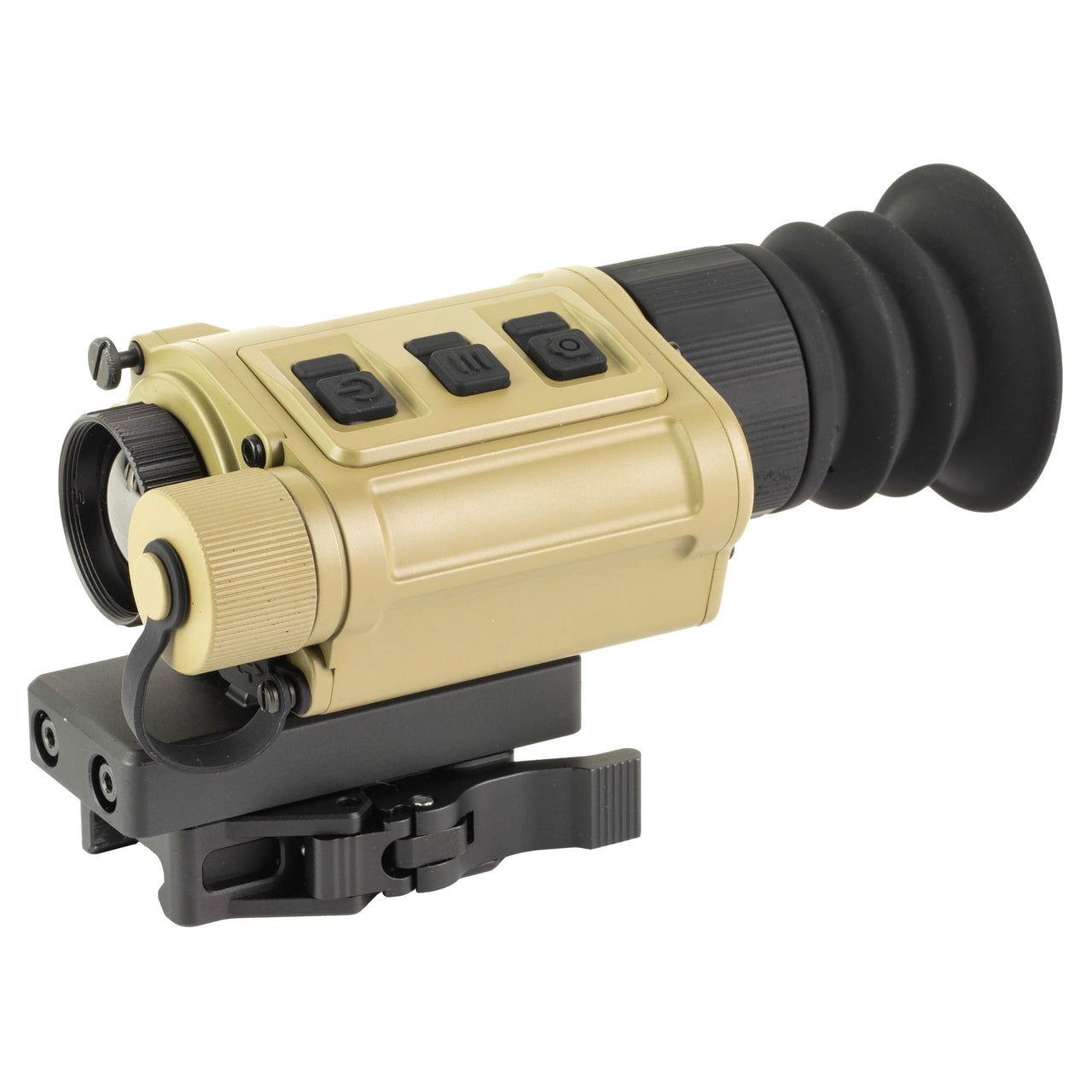
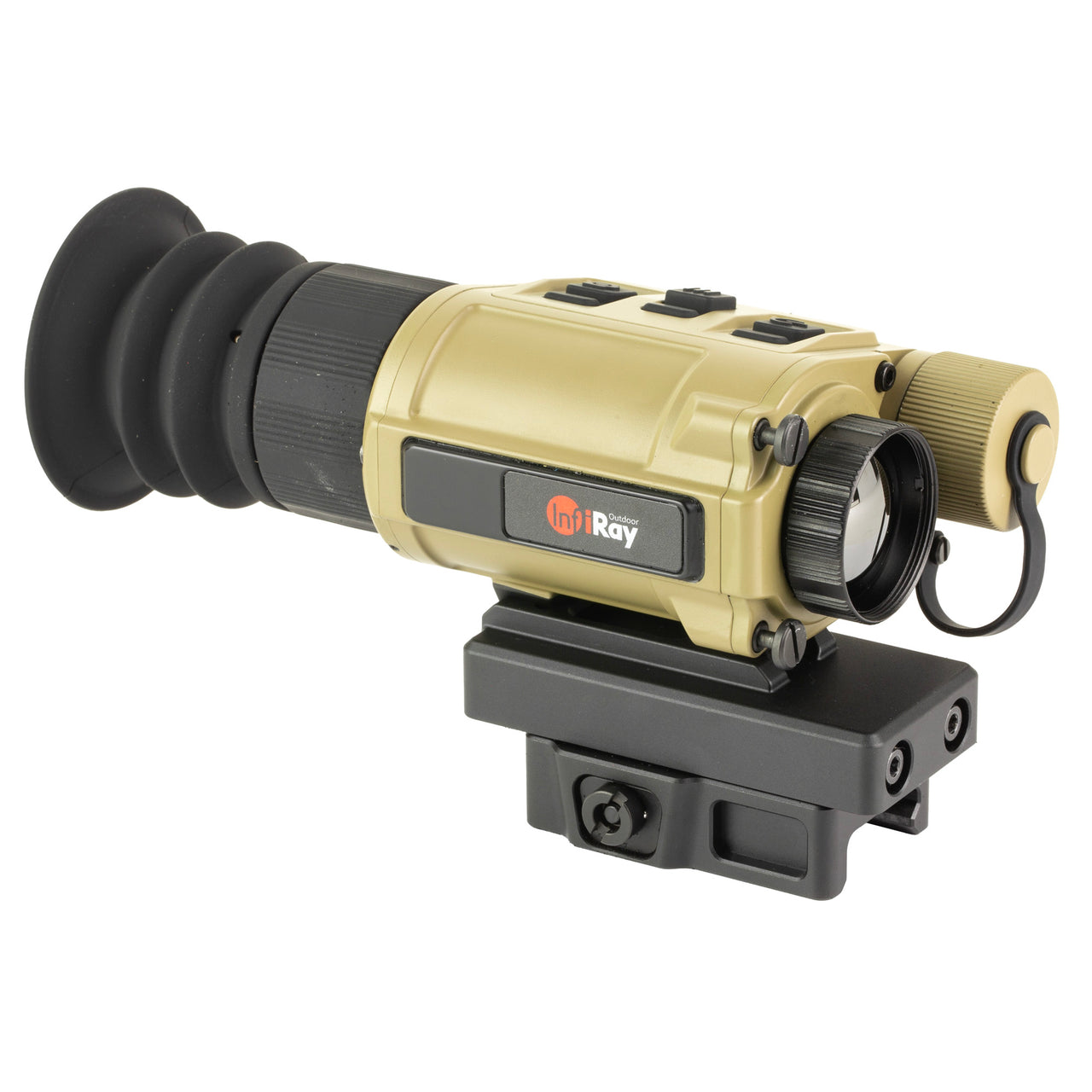 InfiRay RICO Micro V2 640 Thermal Scope$3,293.39$3,293.39
$3,999.99 -

 AGM RattlerV2 25-256 Thermal Scope$795.00$795.00
$1,095.00


Top Rated


Browse Our Night Vision Optics Collections
- Your collection's name

Scopes
- Your collection's name

Binoculars
- Your collection's name

Monoculars


-
Shop Top of the Line
Explore the industry's highest-rated thermal rifle scopes from leading brands.
-
 AGM RattlerV3 25-384 Thermal Scope$1,595.00$1,595.00
$1,755.00 -
 AGM RattlerV3 LRF 35-384 Thermal Scope$2,295.00$2,295.00
$2,995.00 -
 AGM RattlerV3 LRF 35-640 Thermal Scope$3,495.00$3,495.00
$4,695.00 -
 InfiRay RICO Mk1 640 Thermal Scope$5,217.54$5,217.54
 -
InfiRay RICO Micro V2 640 Thermal Scope$3,293.39$3,293.39
$3,999.99 -
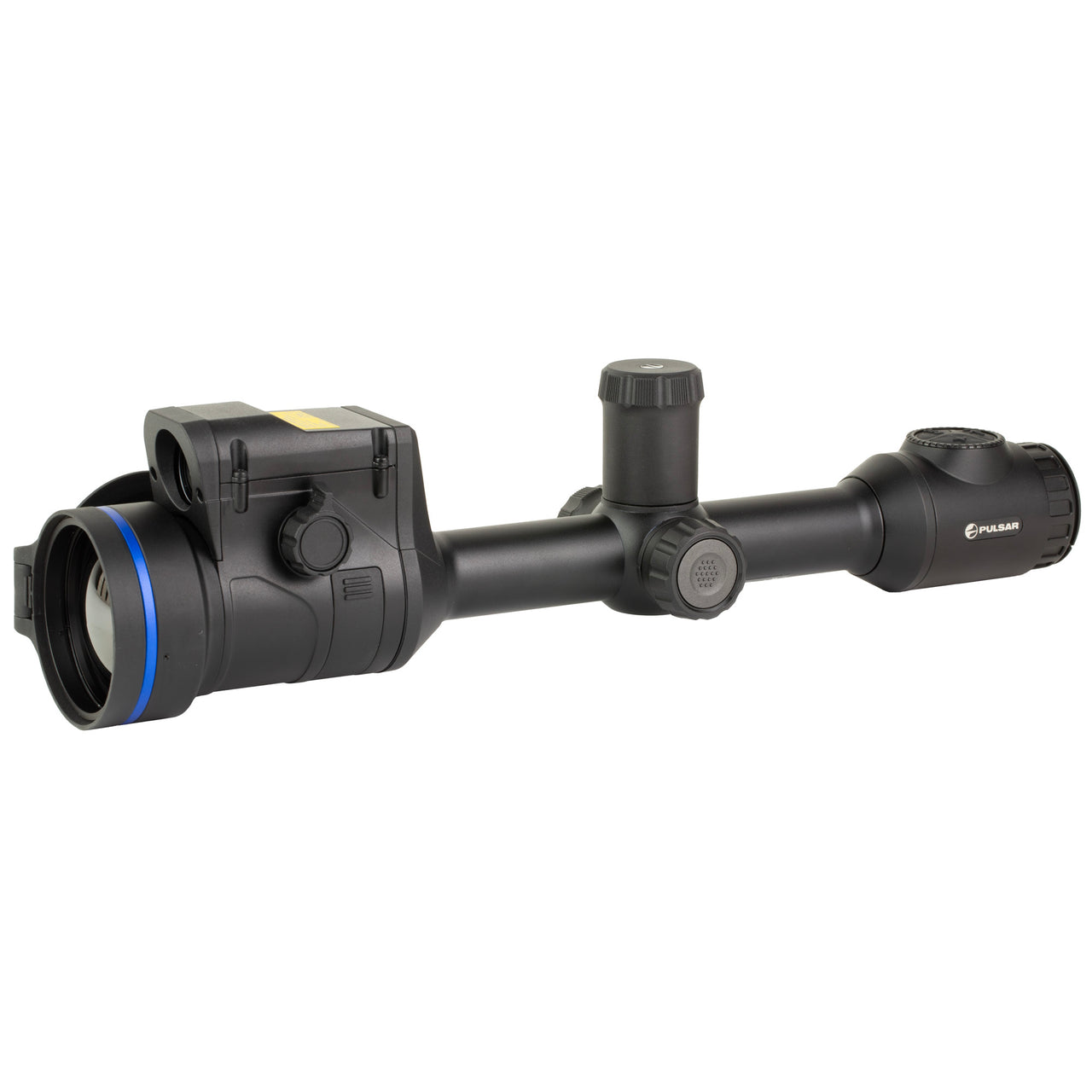 Pulsar Thermion 2 LRF XG60 Thermal Scope$5,499.97$5,499.97


Shop by Brand


Shop Accessories
-

 InfiRay IBP-1 4400 mAh Battery$169.00$169.00
 -

 Pulsar APS Battery Charger$49.97$49.97
 -
 Pulsar APS 5T Battery Pack for Talion Series$69.97$69.97
 -
 Pulsar APS 5 Battery Pack for Axion & Proton Series$69.97$69.97


Learning Center
 Read more
The biggest differences between today's leading thermal scope brands come down to sensor sensitivity, image processing, ergonomics, battery systems, and integrated technology. While many buyers focus on resolution, real-world performance often depends on how well the entire system works in...
 Read more
The best night vision optic in 2026 depends more on your environment and use case than on price alone. According to U.S. Army documentation for image-intensified systems, analog night vision devices are designed to amplify available ambient light such as...
 Read more
If you hunt past sunset, you already know the problem. The light drops, your target disappears, and you're left fumbling with gear. So what's the fix? The best approach isn't always adding more magnification. It's picking an optic built to...


Optics & Precision: Frequently Asked Questions
What are the disadvantages of a thermal rifle scope?
The primary disadvantage of a thermal rifle scope is its inability to see through glass or solid objects. Because it detects heat signatures rather than light, you cannot see fine facial features or identify specific species as easily as you can with traditional night optics. Additionally, a thermal rifle scope may have a lower refresh rate than digital alternatives, which can affect tracking fast-moving targets.
How far can I shoot with a night vision thermal scope?
Detection and identification are two different things. While a high-end night vision thermal scope can detect a heat signature at over 2,000 yards, your effective shooting range is usually between 100 and 800+ yards. This ensures you can positively identify your target for an ethical shot, which is critical for predator and hog hunting.
Can a thermal night vision optics system pick up a snake?
Because snakes are cold-blooded (ectothermic), they often blend into the ambient temperature of their surroundings. Thermal night vision optics will generally only pick up a snake if it has been basking on a warm surface and is significantly hotter than the ground, or if the night is very cold and the snake is still holding residual heat.
Do thermal night vision optics work better in winter?
Yes. Thermal imaging relies on temperature contrast. In the winter, the background environment is much colder, making the heat signature of a warm-blooded animal "pop" much more vividly. This makes winter the ideal season for using thermal night vision optics to scout and hunt.
Can a digital night vision scope see through trees?
No. Neither a digital night vision scope nor a thermal unit can see through solid objects like tree trunks. While thermal sensors can sometimes "peek" through light foliage or thin brush by picking up heat leaking through the gaps, a digital night vision scope requires a clear line of sight to reflect light back to the sensor.
What are the benefits of night and day scopes?
The biggest advantage of night and day scopes is versatility. Instead of swapping optics when the sun goes down, these hybrid systems allow you to hunt through twilight and into total darkness. Using a night vision scope saves you from having to re-zero your rifle every time you change equipment.
Premium Electro-Optics for Every Environment
At In Sight Scopes, we curate the best night vision optics and thermal night vision optics for hunters and tactical professionals. Whether you are looking for a dedicated night vision optics system or a hybrid setup, our collection ensures you have the precision needed for any mission.

Dedicated to Deals
At In Sight Scopes, we’re committed to delivering top-tier optics at the best prices available. We work with trusted manufacturers and partners to ensure our customers get exceptional value, reliable performance, and honest pricing—so you can shop with confidence and focus on what matters most in the field.